Everything You Need to Know: Verde Solar Power FAQs
(928) 284-0884
In the modern era, grid-tied solar demands a higher standard of safety and quality. You, as a power producer, back feed power into the grid, requiring installation under a building permit with a licensed electrician. This ensures compliance with safety rules and quality standards set by utilities.
We recommend getting roof maintenance or replacements before installing your solar, as we do not re-install for free if you need a new roof.
Avoid installing solar on roofs with less than 5 years of life and be cautious with roofs under 10 years. Ensure the roof’s integrity to prevent costly removal and replacement during solar array maintenance.
Running your electric meter backward can lead to issues, including unexpected charges and safety concerns for utility workers. New “smart” meters help address this, ensuring accurate measurement and minimizing potential hazards.
While typical grid-tied solar systems can’t operate during blackouts, advancements like SMA’s inverter with Secure Power Supply provide a limited amount of power when the sun is shining, offering some relief during outages.
Solar panels boast high reliability, lasting beyond their 25-year warranty. Choosing a panel manufacturer that aligns with this reliability is crucial. Installers usually cover service for 10 years, matching the warranty life of the solar electronics.
Solar installations increase home value, attracting buyers and lenders. The appreciation due to a solar system can often pay for itself outright, but be cautious with long-term solar leases that may impede the sale.
Yes! Verde Solar Power partners the the Federal Housing Administration to make solar power more accessible and affordable.
Savings depend on financing. Cash purchases offer quicker payback (6-8 years), while solar loans (15-20 years) and leases (20 years) provide savings over time.
Forecasting electric rate increases is challenging. Solar provides a hedge against utility rate fluctuations, allowing you to lock in your power cost and achieve long-term savings.
There are three basic types: on-grid, off-grid, and hybrid. On-grid systems, being the most common, contribute excess power to the grid and do not require energy storage.
On-grid systems instantly convert solar power to grid-compatible AC, supplying power to the house and contributing excess to the grid. String, micro, and distributed inverters are common technologies.
Hybrid systems combine features of on-grid and off-grid systems, providing continuous power during outages with a smaller battery backup.
There are three main types: Polycrystalline, Monocrystalline, and Thin Film. Each has its advantages, with Polycrystalline being a cost-effective choice, Monocrystalline offering higher efficiency, and Thin Film suitable for large-scale installations.
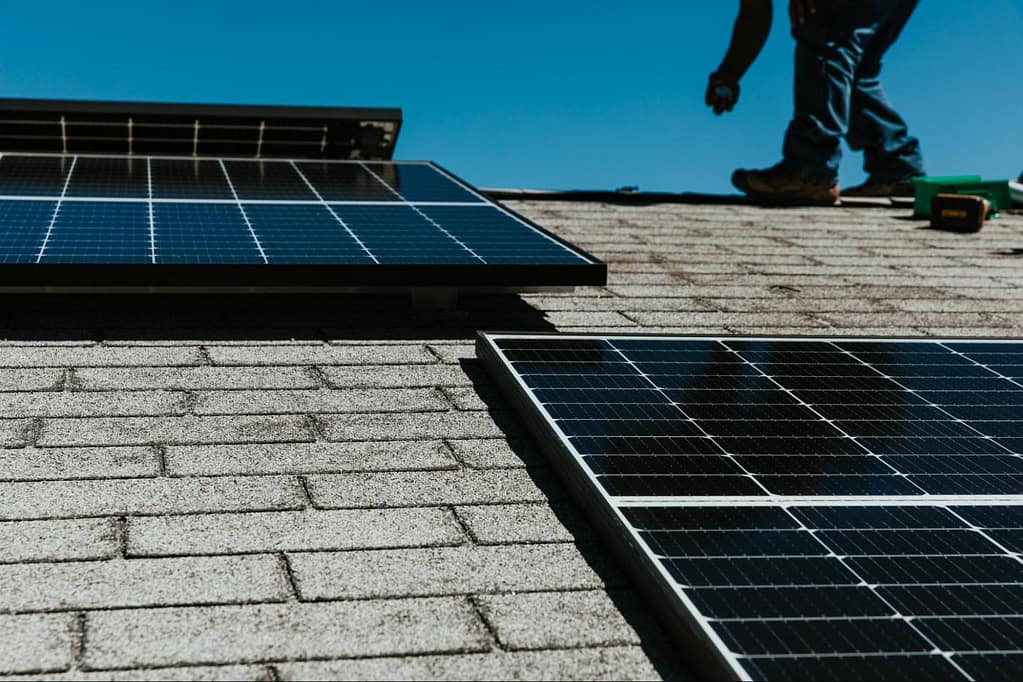
Mounting options include flush mounting for pitched roofs, tilt racks for flat roofs, tile mounts for tile roofs, standing seam steel for metal roofs, ground mounts, and electrical equipment mounting.